
Advertisements
Did you know that the average household spends around $200 per year on drain cleaning products and plumber visits? I learned this the hard way after my third call to a plumber in six months. That’s when I decided enough was enough!
Look, I get it. Standing in ankle-deep shower water is nobody’s idea of a good time. But before you reach for those harsh chemical drain cleaners, let me share what I’ve learned about unclogging drains naturally. It’s easier than you think, and your pipes will thank you.
Why I Ditched Chemical Drain Cleaners
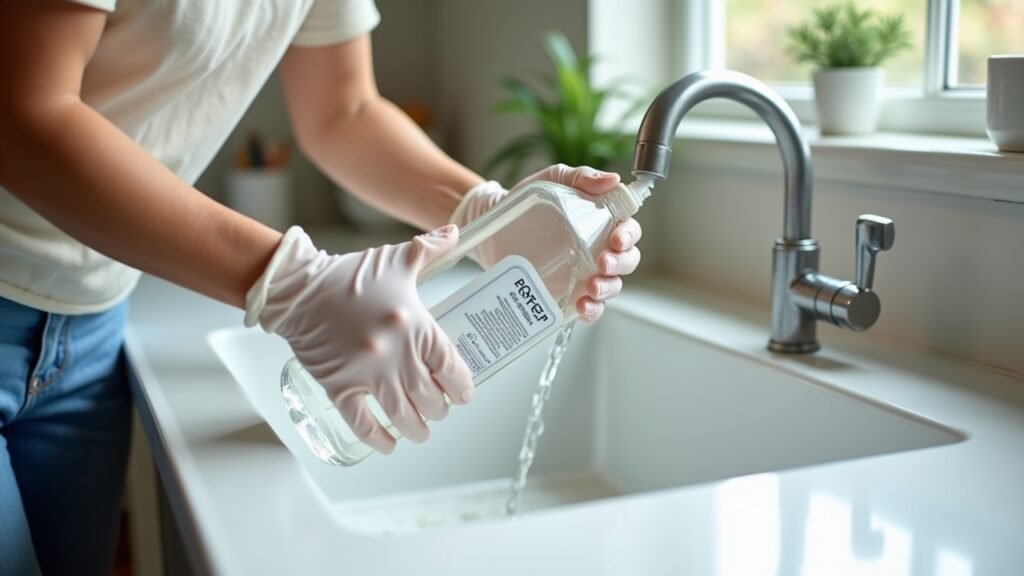
Here’s the thing – I used to dump chemical drain openers down my pipes like it was going out of style. Bad move. Those caustic chemicals can actually damage your plumbing over time, especially if you’ve got older pipes like I do in my 1970s house.
Plus, they’re terrible for the environment. All that stuff ends up somewhere, right? When I started looking into eco-friendly alternatives, I was surprised how many natural drain cleaning methods actually work better than the store-bought stuff.
The Baking Soda and Vinegar Method
This is my go-to, honestly. It’s like a science experiment from middle school, and it works like a charm for minor clogs and slow drains. First, pour about half a cup of baking soda down the drain. Then follow it with half a cup of white vinegar.
You’ll hear that satisfying fizzing sound – that’s the magic happening! Cover the drain and wait about 30 minutes. Afterward, flush everything down with boiling water.
I remember the first time I tried this on my bathroom sink. The drain had been sluggish for weeks, and I was dreading another plumber bill. That fizzing volcano of baking soda and vinegar cleared it right up. I literally did a little victory dance in my bathroom.
Pro Tips I Learned the Hard Way
- Always use boiling water for the final flush – warm water just doesn’t cut it
- Don’t mix this with any chemical cleaners you might have used recently
- Repeat weekly as a preventative measure
The Boiling Water Technique
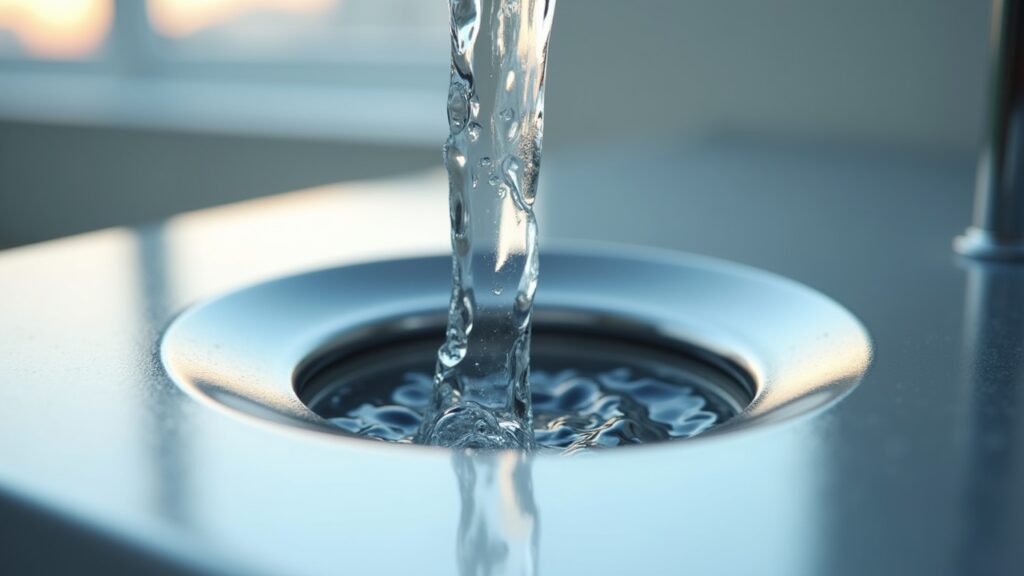
Sometimes the simplest solutions are the best ones. For grease clogs in kitchen sinks, plain old boiling water can be incredibly effective. I boil a full kettle and pour it slowly down the drain in two or three stages.
The key is patience – let the hot water work between pours. This method is especially good for dissolving soap buildup and greasy residue. Just be careful not to use boiling water if you have PVC pipes, as the heat can loosen joints.
Salt and Baking Soda Combo
When the vinegar method isn’t quite cutting it, I bring out the heavy hitters. Mix half a cup of table salt with half a cup of baking soda. Pour this mixture down the drain and let it sit overnight if possible.
In the morning, flush with boiling water. The salt acts as a gentle abrasive, and combined with the baking soda, it can tackle stubborn organic matter buildup.
The Trusty Plunger and Drain Snake
Don’t underestimate mechanical solutions! A good plunger can work wonders on bathroom clogs. I keep a separate one just for sinks – not the same one I use for the toilet, obviously.
For deeper clogs, a drain snake or auger is worth the small investment. I’ve pulled out some truly disgusting stuff from my shower drain. Hair clogs are no joke, folks.
Advertisements
If you’re more of a visual learner like me, check out this helpful video on using natural drain cleaners effectively:
Natural Drain Cleaning Tutorial on YouTube
Keeping Your Drains Happy
After unclogging my drains more times than I’d like to admit, I’ve become a prevention convert. Weekly hot water flushes, drain screens to catch hair, and monthly baking soda treatments have saved me so much hassle.
The truth is, natural drain cleaning isn’t just about fixing problems – it’s about creating sustainable habits for your home. Your pipes, your wallet, and the environment will all benefit. Just remember to be patient with stubborn clogs, and don’t hesitate to call a professional if nothing’s working.
Want more practical home tips and DIY solutions? Browse around Nook Method for more guides that’ll make your life easier!