Advertisements
How to Bleed a Radiator: A Simple Guide to a Warmer Home
Did you know that trapped air in your heating system can reduce its efficiency by up to 15%? Yeah, that blew my mind too when I first found out. I remember standing in my living room one winter, wondering why one side of the radiator was warm and the other felt completely cold — like it had given up on life. Turns out, bleeding your radiator heating system is one of the easiest fixes you can do yourself, and it can make a huge difference in how your home feels during those brutal cold months!
What Does It Mean to Bleed a Radiator?
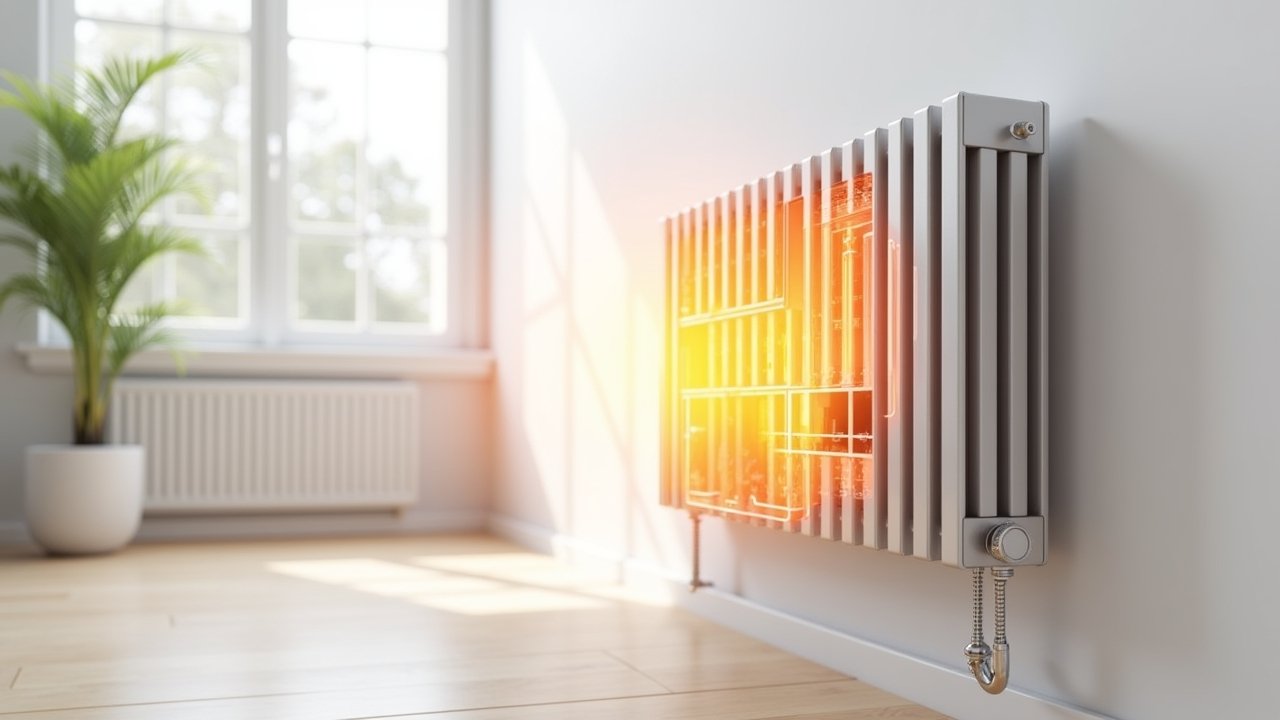
So, let’s get the basics out of the way. Bleeding a radiator means releasing trapped air that’s built up inside your central heating system. When air gets stuck in there, it stops hot water from circulating properly — which is why you end up with those annoying cold spots at the top of your radiator.
It’s a super common issue, honestly. According to Energy Saving Trust, keeping your heating system running efficiently can save you a decent chunk on your energy bills every year. Bleeding your radiators is one of those small maintenance tasks that pays off big time.
Signs Your Radiator Needs Bleeding
Before you grab your radiator key, it’s worth knowing what to look for. There are a few telltale signs that your system has an air problem.
- Cold spots at the top of your radiator while the bottom stays warm
- Gurgling or banging noises coming from the radiator
- The whole radiator feels cold even when the heating is on
- Your boiler pressure keeps dropping unexpectedly
- Rooms are taking way longer than usual to heat up
I ignored those gurgling sounds for way too long once. I genuinely thought my radiator was haunted. Spoiler: it wasn’t. It just needed bleeding!
What You’ll Need
The good news? You don’t need a toolbox full of fancy gear. Here’s what you’ll want to grab before you start.
- A radiator bleed key (you can grab one at any hardware store for under £5)
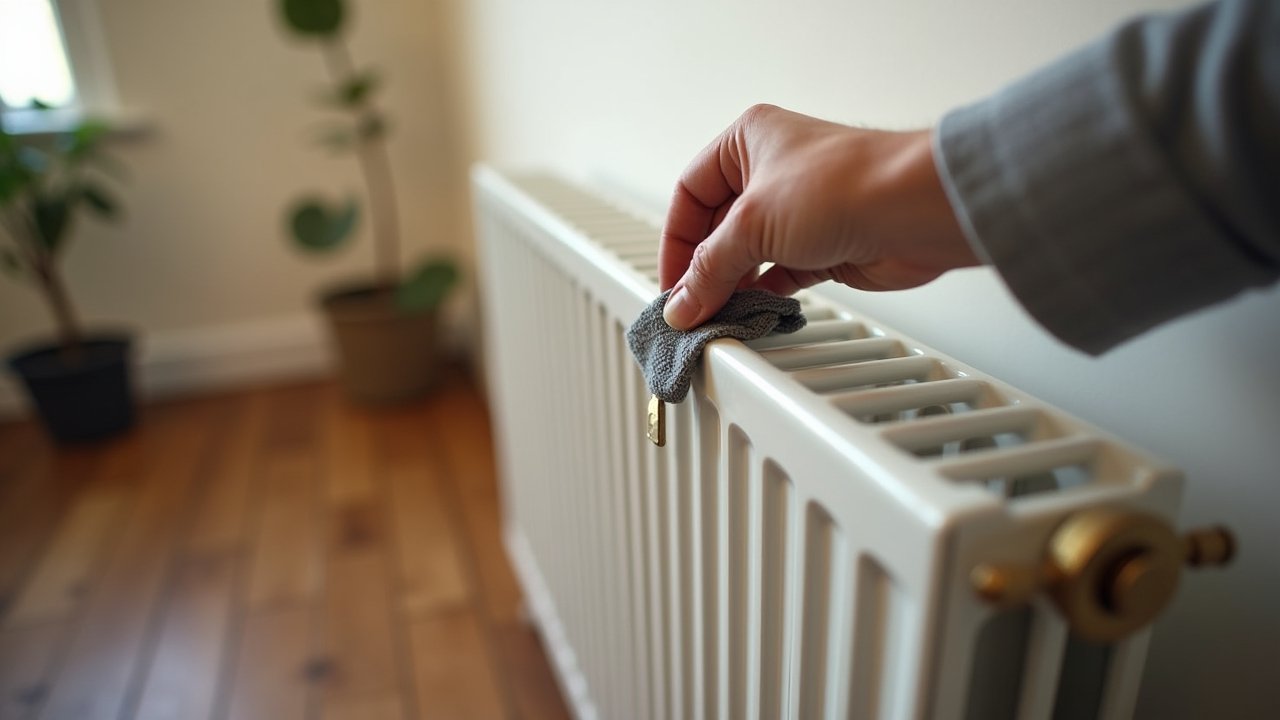
- An old cloth or small towel
- A bowl or jug to catch any drips
That’s genuinely it. Simple stuff. You can find a radiator bleed key at places like B&Q if you don’t already have one lying around.
How to Bleed Your Radiator Step by Step
Alright, here’s where the magic happens. Follow these steps and you’ll have your radiators sorted in no time.
- Turn your heating on — let it run until all your radiators are fully warm so you can identify which ones need attention.
- Turn the heating OFF — this is important. You don’t want hot water spraying everywhere. Trust me on this one, learned the hard way.
- Locate the bleed valve — it’s the small square valve at the top corner of your radiator.
- Place your cloth and bowl underneath the valve to catch any water.
- Insert the bleed key and slowly turn it anticlockwise about half a turn. You’ll hear a hissing sound — that’s the trapped air escaping.
- Wait until water starts dripping out — once you see a steady trickle, the air is out. Tighten the valve back up clockwise.
- Check your boiler pressure — after bleeding, your system pressure might drop, so top it up if needed using your boiler’s filling loop.
For a really clear visual walkthrough, WikiHow has a great illustrated guide that’s worth a quick look if you’re more of a visual learner.
How Often Should You Bleed Your Radiators?
Honestly, once a year is a solid habit — ideally at the start of autumn before the cold really kicks in. If you’ve got an older heating system or you notice issues popping up more often, doing it twice a year isn’t overkill at all.
Regular radiator maintenance, including bleeding, flushing, and checking your boiler pressure, is what keeps your whole central heating system running smoothly for years.
Keep the Warmth Going All Winter Long
Bleeding your radiators is one of those small wins that makes a genuinely big difference — warmer rooms, lower energy bills, and a heating system that actually does its job. It takes maybe 10 minutes per radiator, and you’ll wonder why you didn’t do it sooner. Just remember to always turn the heating off before you start, and keep an eye on your boiler pressure afterwards to stay safe.
Advertisements
Every home is a little different, so don’t be afraid to adjust these steps to suit your setup. And if your radiators are still struggling after bleeding, it might be worth calling in a professional to check for deeper issues like a system flush or a faulty pump.
Want more practical home tips like this one? Head over to the Nook Method blog — there’s plenty more where this came from!