Advertisements
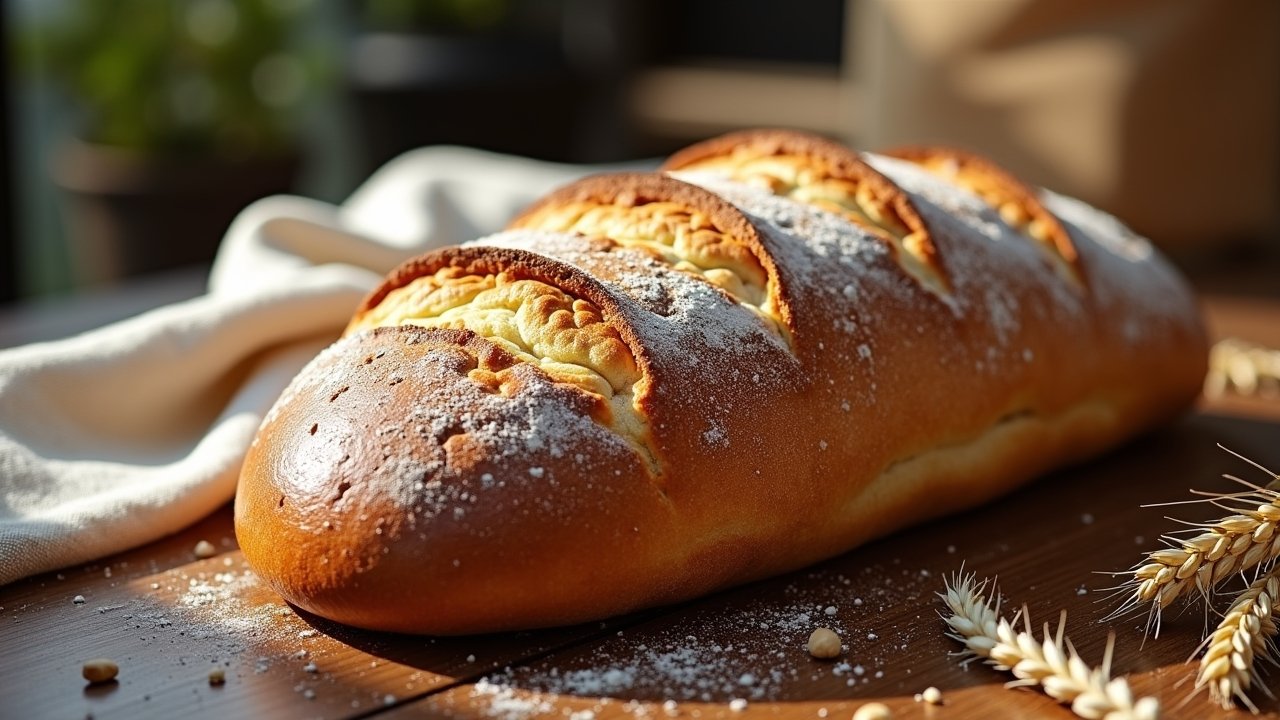
Homemade Bread with Just 4 Ingredients? Yes, It’s Really That Simple
Did you know that humans have been baking bread for over 14,000 years? And here I was, thinking I needed some fancy culinary degree just to pull off a decent loaf. Spoiler alert: I absolutely did not. If you’ve ever felt intimidated by bread-making, I get it — I’ve been there. But trust me, once I figured out this homemade bread 4 ingredients recipe, everything changed in my kitchen.
This isn’t some complicated, hours-long ordeal. It’s simple, it’s satisfying, and honestly? It’ll make your whole house smell incredible. Let’s get into it.
Why Only 4 Ingredients?
When I first started baking bread at home, I was drowning in recipes that called for bread improvers, dough conditioners, and stuff I couldn’t even pronounce. I remember standing in the grocery aisle completely lost. Then one day, my neighbor — this lovely older woman who bakes everything from scratch — told me, “Good bread doesn’t need much.” She was so right.
The truth is, traditional bread has always been made with just the basics. Four ingredients is not cutting corners. It’s actually going back to the roots of real, honest baking. And the results? Absolutely chef’s kiss.
The 4 Ingredients You Need
Here’s what you’re working with — nothing crazy, nothing expensive. These are pantry staples most of us already have sitting around.
- All-purpose flour (or bread flour) — the foundation of your loaf. Bread flour gives you a slightly chewier texture, which I personally love.
- Water — warm water is key here, around 110°F. Too hot and you’ll kill the yeast. Too cold and nothing rises. I learned that the hard way.
- Salt — don’t skip this. Salt controls fermentation and adds flavor. A bland loaf is a sad loaf.
- Active dry yeast (or instant yeast) — this is what makes your dough rise and gives you that beautiful, airy crumb inside.
That’s it. Four things. No eggs, no butter, no milk. Just pure, simple no-knead bread magic. If you want to double-check your yeast is still good, King Arthur Baking has a great guide on how to proof and test it before you start.
How to Make It — Step by Step
Okay, so here’s where the fun begins. I’ll walk you through exactly what I do, including the little tricks I’ve picked up over time.
- Mix it together: Combine 3 cups of flour, 1 teaspoon of salt, 1 teaspoon of yeast, and 1.5 cups of warm water in a large bowl. Stir until a shaggy dough forms. It’ll look messy — that’s fine, seriously.
- Let it rest: Cover the bowl with plastic wrap or a damp towel and let it sit at room temperature for at least 8 hours, or overnight. This is the no-knead method, and it’s a total game-changer.
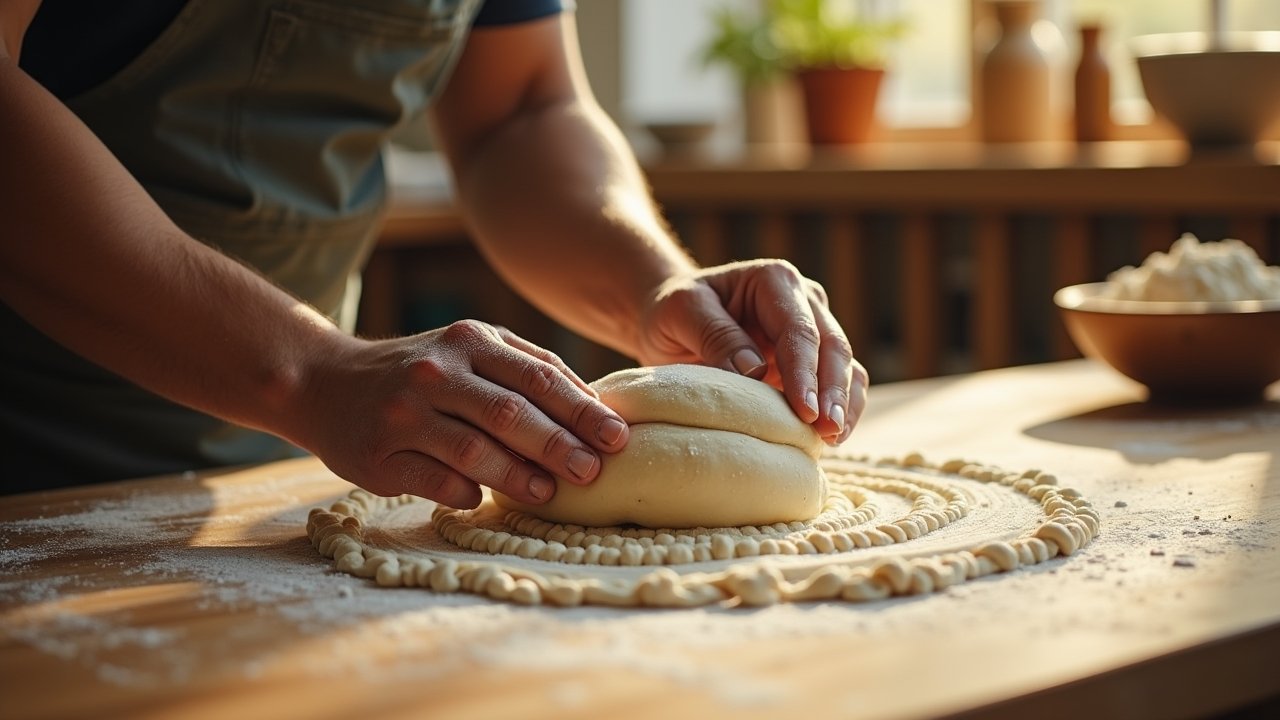
- Shape it: Flour a surface, turn out the dough, and gently fold it over itself a few times. Don’t overthink this part. I used to fuss too much and the bread still came out great.
- Second rise: Let the shaped dough rest for another 1–2 hours before baking.
- Bake it hot: Preheat your oven to 450°F with a Dutch oven inside. Drop the dough in, cover it, and bake for 30 minutes covered, then 15 minutes uncovered for that golden crust.
Tips I Wish Someone Told Me Earlier
First off — use a Dutch oven if you can. It traps steam and gives you that bakery-style crust that’s crispy on the outside and soft inside. Without it, the crust just doesn’t hit the same. Also, don’t rush the overnight rise. The longer fermentation actually develops way more flavor in your simple bread dough than any fancy additive ever could.
Oh, and one more thing — let the bread cool before cutting it. I know, it’s torture. But cutting into a hot loaf releases all the steam too fast and leaves you with a gummy interior. Patience, my friend. It’s worth it.
Your Kitchen, Your Loaf
There you have it — a rustic, golden, absolutely delicious homemade bread with just 4 ingredients. Once you nail the basics, feel free to make it your own. Toss in some rosemary, garlic, or even seeds on top. The base recipe is forgiving and flexible, so don’t be afraid to experiment a little.
Just remember — always check that your yeast is fresh, and never rush the fermentation process. Good bread takes a little time, but it never, ever requires a lot of complicated steps. Baking at home is also a beautiful way to know exactly what’s going into your food — no preservatives, no mystery ingredients.
If you loved this and you’re hungry for more simple, practical tips for everyday life at home, head over to Nook Method — there’s a whole lot more waiting for you there!
Advertisements