Batch Cooking Basics: How I Stopped Dreading Weeknight Dinners Forever
Advertisements
Here’s a stat that honestly blew my mind — the average American spends about 37 minutes a day on food preparation and cleanup. That might not sound like much, but multiply it across a busy week with kids screaming, homework piling up, and your energy completely tanked? Yeah, it adds up fast. Batch cooking changed everything for me, and I’m not even being dramatic!
I used to be that person standing in front of the fridge at 6 PM with absolutely no plan. It was stressful, expensive, and we ate way too much takeout. Learning the basics of batch cooking literally saved my sanity — and my grocery budget.
What Even Is Batch Cooking?
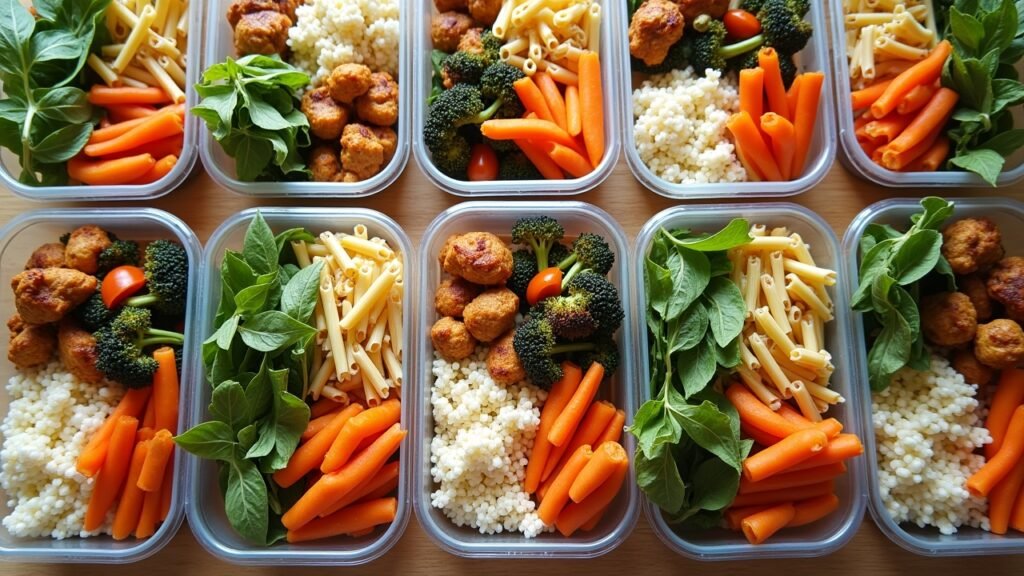
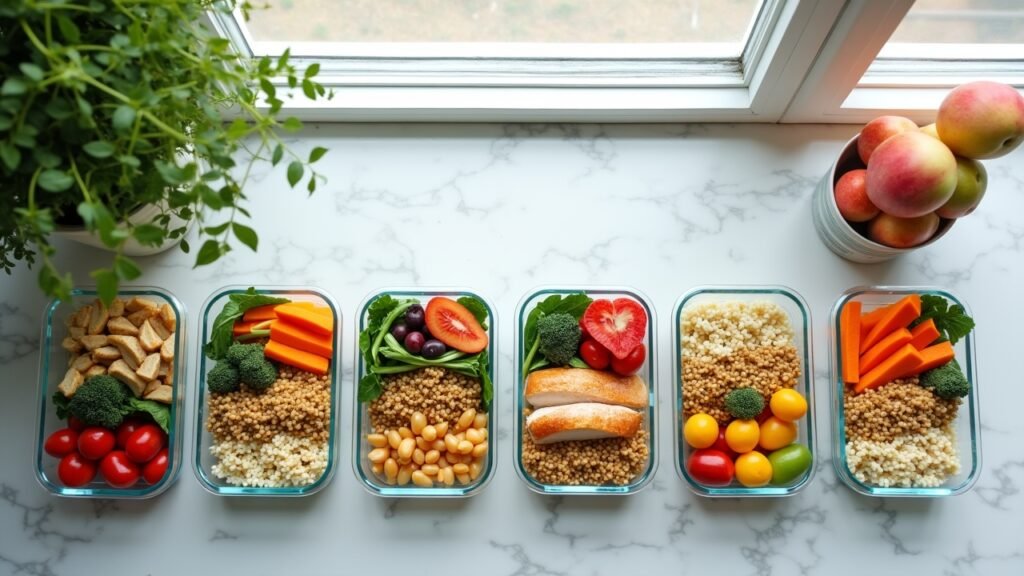
So batch cooking is basically the idea of preparing large quantities of food at once, then portioning it out for multiple meals throughout the week. Some people call it meal prepping, but there’s a slight difference. Meal prepping usually means full meals ready to grab-and-go, while batch cooking focuses more on cooking individual components in bulk.
Think big pots of rice, roasted vegetables, shredded chicken, cooked ground beef — stuff you can mix and match. It’s like building a little food library in your fridge. The flexibility is what really hooked me.
My First Batch Cooking Disaster (And What I Learned)
I’ll be honest, my first attempt was a total mess. I tried to cook like eight recipes in one afternoon without any real plan, and I ran out of storage containers halfway through. Cooked quinoa was sitting in a mixing bowl covered with a paper towel. Not my finest moment.
The lesson? Start small. Pick two or three proteins and a couple of versatile sides for your first batch cook session. You don’t need to be some meal prep influencer with color-coded containers right out the gate.
Essential Equipment You Actually Need
You don’t need fancy gadgets, but a few basics make a huge difference. Here’s what I’d recommend:
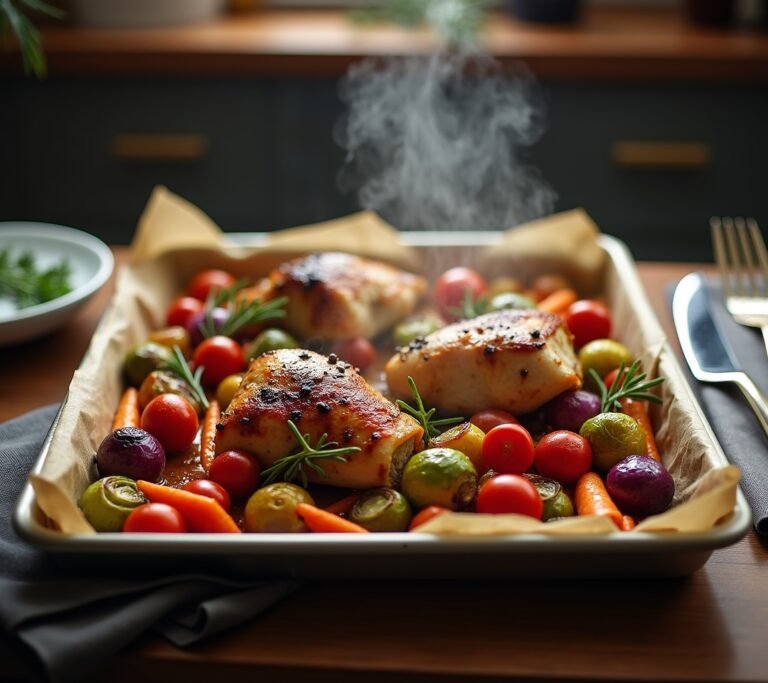
- A large sheet pan (or two) for roasting vegetables and proteins simultaneously
- A quality Dutch oven or big stockpot for soups, stews, and grains
- A slow cooker or Instant Pot — honestly a game-changer for hands-off cooking
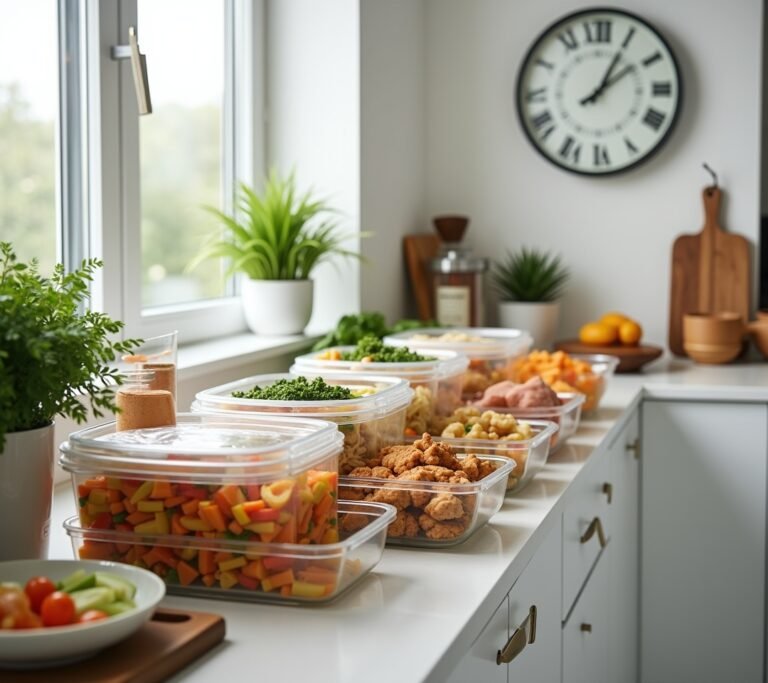
- Glass storage containers with airtight lids (please learn from my paper towel mistake)
- A good set of freezer-safe bags for longer-term food storage
That’s really it. You probably already have most of this stuff lying around somewhere.
My Go-To Batch Cooking Strategy
After a lot of trial and error, I’ve settled into a system that works. Every Sunday — sometimes Saturday if I’m feeling ambitious — I spend about two hours in the kitchen. That’s it.
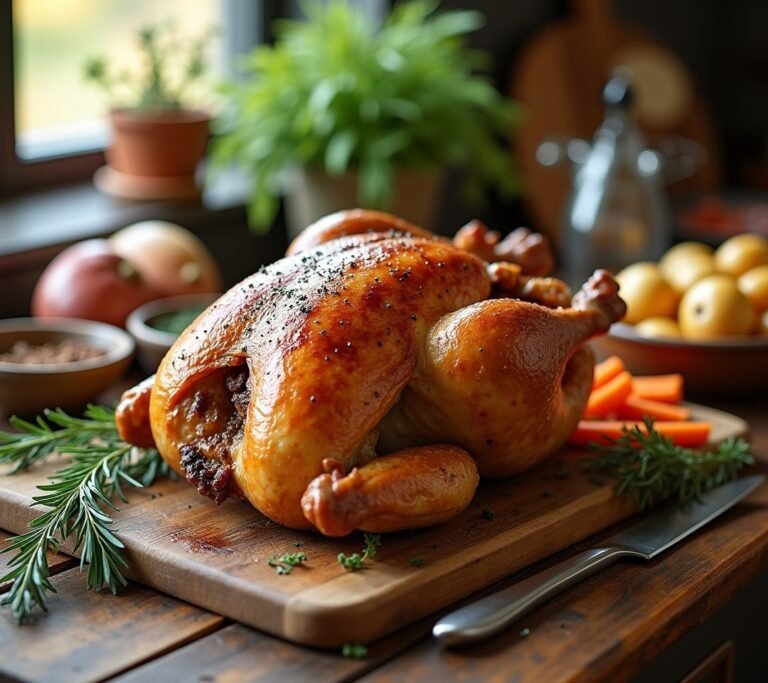
Here’s my typical game plan: I’ll roast a big tray of seasoned chicken thighs, cook a massive pot of brown rice or pasta, chop and roast two or three types of vegetables, and make one big-batch recipe like chili or soup. Sometimes I’ll throw together a simple sauce or dressing too.
The key is cooking things that are versatile. That shredded chicken can go in tacos on Monday, salads on Tuesday, and stir-fry on Wednesday. It keeps things from getting boring, which was honestly my biggest fear when I started this whole batch cooking journey.
Food Safety Stuff You Shouldn’t Ignore
Okay, this part ain’t glamorous but it matters. The USDA recommends refrigerated leftovers be eaten within three to four days. Anything beyond that should go in the freezer.
Always let your food cool down before sealing containers — trapping steam creates moisture that breeds bacteria. And label everything with the date. Future you will be so grateful, trust me. I once ate some mystery rice that was definitely past its prime, and well… let’s just say I learned the hard way.
Advertisements
Your Kitchen, Your Rules
Look, batch cooking basics aren’t complicated, but they are personal. What works for my family of four might look completely different for a college student or a couple with different dietary needs. The beauty is you can adapt everything to your lifestyle, your budget, and whatever your picky eaters will actually consume.
Start with one Sunday session. Just one. See how it feels. I promise that pulling a ready-made dinner from the fridge on a hectic Tuesday night is one of the most satisfying feelings ever. If you’re hungry for more kitchen tips and practical strategies like this, come hang out with us over at Nook Method — we’ve got plenty more where this came from!