Advertisements
Does a Clean Vacuum Really Mean Better Suction? (Yes, and Here’s Why)
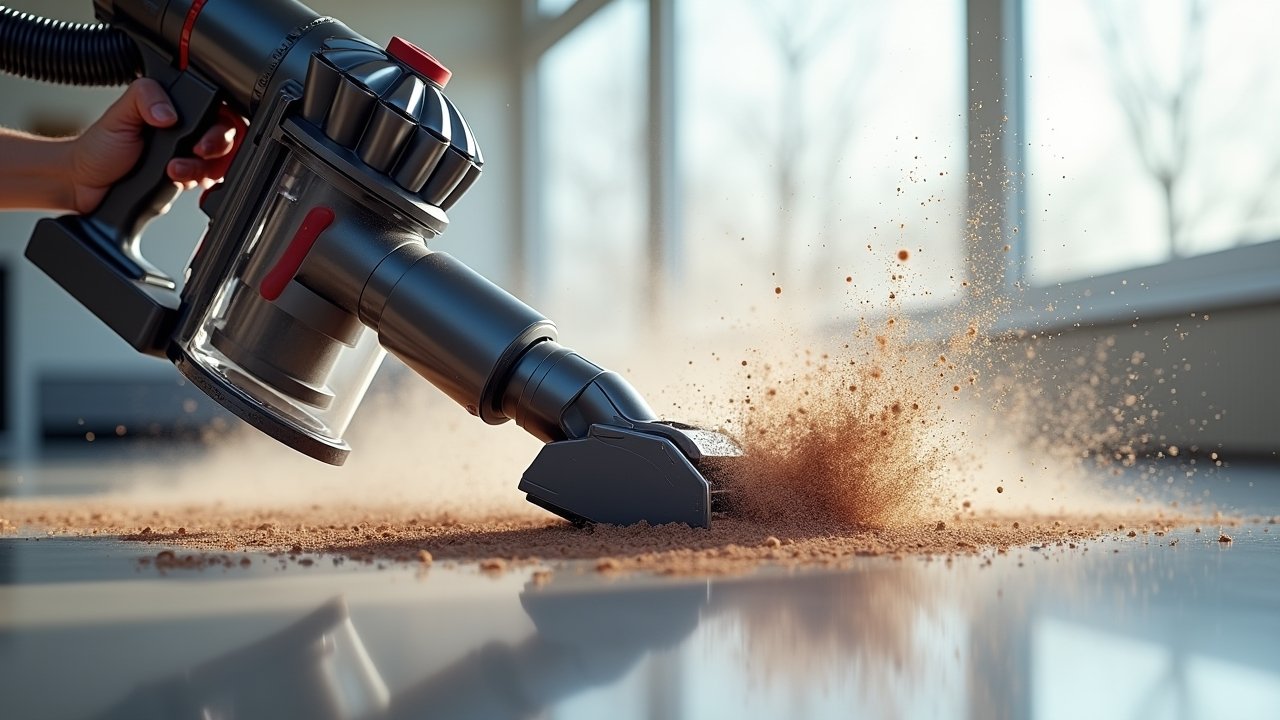
Did you know that a clogged vacuum can lose up to 50% of its suction power? I didn’t either — until I spent 20 minutes going over the same patch of carpet, wondering why my vacuum sounded like it was working hard but doing absolutely nothing. Turns out, I hadn’t cleaned it in months. Embarrassing, I know!
Keeping your vacuum clean is one of those things that seems obvious in hindsight, but most of us just… don’t do it. And honestly, a dirty vacuum isn’t just ineffective — it can also push dust and allergens back into the air you breathe. So yeah, this stuff matters more than you’d think.
Why a Dirty Vacuum Loses Suction Over Time
Here’s the deal: vacuums work by creating airflow. When filters, dustbins, or brush rolls get clogged, that airflow gets restricted, and suction drops fast. Think of it like trying to breathe through a sock — not great.
The most common culprits are a full dust canister, a blocked HEPA filter, and tangled hair wrapped around the brush roll. Any one of these on its own can tank your vacuum’s performance. All three together? You basically have an expensive noise machine rolling around your floor.
According to Consumer Reports, regularly maintaining your vacuum can extend its lifespan significantly and keep it running at peak performance. That’s a win for your floors and your wallet.
The Parts You Need to Clean (And How Often)
Alright, let me break it down for you the way I wish someone had broken it down for me. There are a few key areas that need attention on a regular basis.
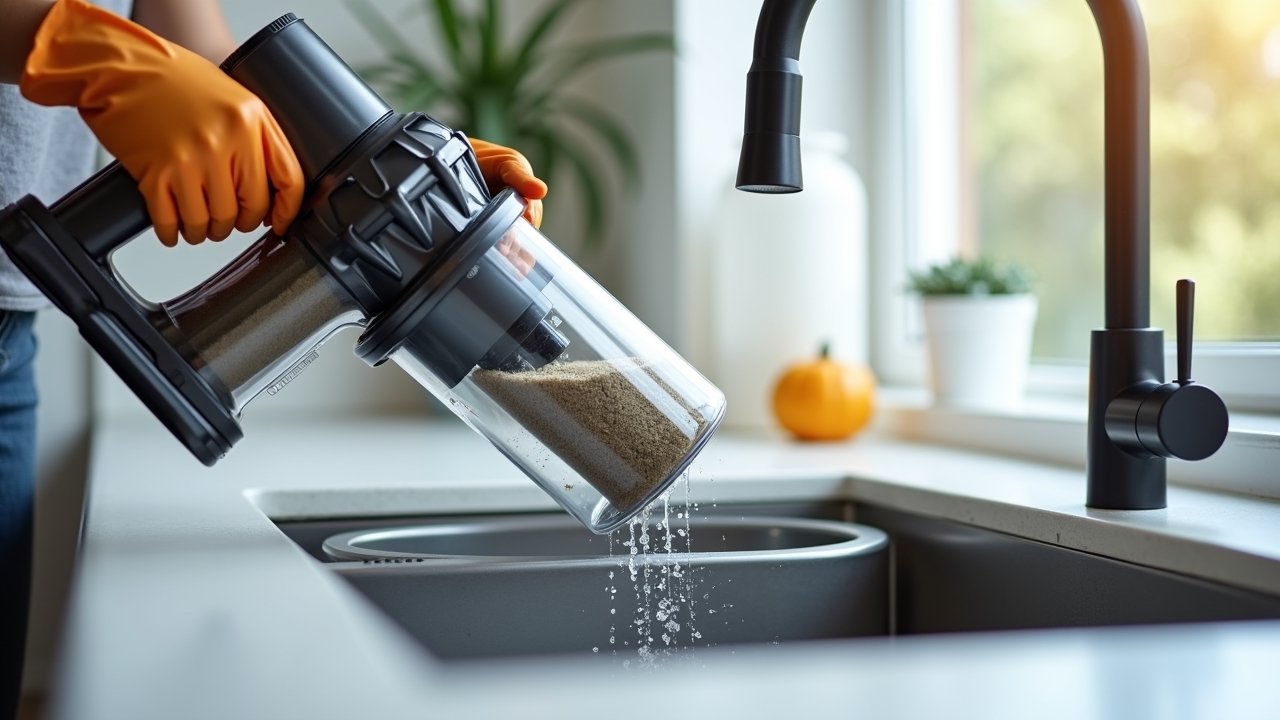
- Dust canister or bag: Empty it when it’s about two-thirds full. Don’t wait until it’s packed — that’s where suction loss starts.
- Filters: Rinse washable filters once a month, and let them dry fully before putting them back. A wet filter is worse than a dirty one, trust me on that one.
- Brush roll: Use scissors to cut away tangled hair and threads every couple of weeks. This thing is a hair magnet.
- Hoses and attachments: Check for blockages every month or so. A bent wire hanger works surprisingly well to dislodge stuck debris.
- Exterior and wheels: Wipe down the body and check the wheels for wrapped hair. Dirty wheels can scratch your floors over time.
For a more visual step-by-step guide, WikiHow has a solid breakdown with photos that make the whole process super easy to follow.
My Personal “Aha” Moment With Vacuum Maintenance
So here’s the thing — I used to think my vacuum was just getting old. It was leaving behind crumbs, struggling on carpet, and making this whiny motor sound that drove me up the wall. I was honestly ready to replace it entirely.
Instead, I watched a YouTube video about vacuum maintenance, cleaned out the filter, cleared the brush roll, and emptied the canister properly for once. The suction was restored almost immediately. I’m not exaggerating when I say it felt like a brand new machine — I was genuinely shocked.
That moment changed how I approach cleaning tools in general. Regular maintenance isn’t just for cars or appliances. Your vacuum needs love too!
Quick Tips to Keep Suction Strong Between Deep Cleans
You don’t have to do a full cleaning every week. There are a few small habits that can make a big difference in maintaining strong suction over time.
- Shake out or tap your filter over a trash bin after each use.
- Avoid vacuuming up large debris like paper scraps or cereal — pick those up by hand first.
- Store your vacuum upright and make sure the hose isn’t kinked or bent in storage.
- Replace filters and bags on schedule, even if they don’t look totally dirty yet.
Small steps, big difference. That’s basically the motto here.
Advertisements
Your Vacuum Will Thank You (And So Will Your Floors)
At the end of the day, keeping a clean vacuum means better suction, cleaner floors, and fresher air in your home. It’s one of those low-effort, high-reward habits that just makes sense once you get into the routine of it.
Feel free to adapt these tips based on the type of vacuum you have — bagged, bagless, robot, or upright — the core principles stay the same. And always make sure to unplug your vacuum before doing any kind of cleaning or maintenance on it. Safety first, always.
If you found this helpful, there’s a whole lot more where this came from. Head over to Nook Method for more practical cleaning tips, home organization ideas, and honest advice that actually works in real life!