Advertisements
How to Comparison Shop for the Best Price (Without Losing Your Mind)
Did you know that nearly 85% of shoppers say they always look for the best deal before buying something? Yeah, that stat hit me right in the gut when I first read it — because for years, I was part of the 15% who just… didn’t. I’d walk into a store, grab what I needed, and pay whatever the tag said. Spoiler alert: that cost me a lot of money over time!
Learning how to comparison shop for the best price is honestly one of those life skills nobody teaches you in school. But once it clicks? You start seeing savings everywhere. Let me walk you through what actually works, based on my own trial and error.
What Does It Actually Mean to Comparison Shop?
At its core, comparison shopping means checking multiple sources — stores, websites, apps — to find the lowest price for the same product. Simple, right? But there’s a little more nuance to it than just Googling something real quick.
Back when I was buying a new laptop, I spent maybe ten minutes searching and thought I’d found a great deal. Turns out, the same model was being sold for $80 less on a different site. That stung. Since then, I’ve built a little system that keeps that from happening again.
The Best Tools to Find the Lowest Price Online
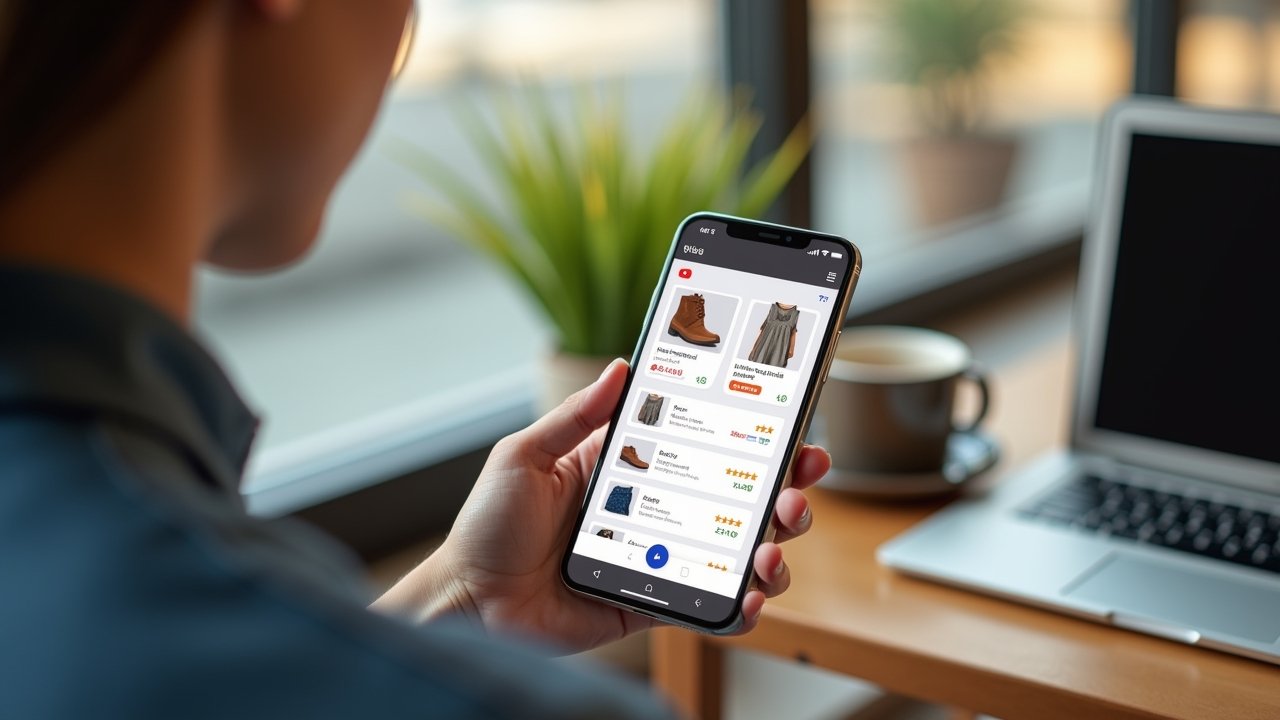
There are some genuinely awesome tools out there that make price comparison way easier. Here are a few I swear by:
- Google Shopping — Great for a quick side-by-side price overview across multiple retailers.
- CamelCamelCamel — This one tracks Amazon price history so you know if you’re actually getting a deal or just falling for a fake markdown.
- Honey by PayPal — A browser extension that automatically finds and applies coupon codes at checkout. It’s saved me hundreds.
- Rakuten — You shop like normal but earn cashback. Not the flashiest tool, but the rewards add up fast.
These tools work together like a little dream team. I usually start with Google Shopping to get a baseline, then cross-check on CamelCamelCamel if it’s an Amazon purchase. Finally, Honey handles any last-minute coupon hunting at checkout. Takes maybe five extra minutes total — and the savings are very real.
In-Store vs. Online Price Comparison: Know the Difference
Here’s something people overlook: in-store prices and online prices for the same retailer aren’t always the same. Wild, right? I once found a blender at a big-box store for $59, then pulled up the retailer’s own website on my phone and saw it listed for $45. I showed the store associate, and they matched it without any fuss.
Most major retailers have a price match policy — but you’ve gotta ask. They’re not gonna volunteer that information. It’s one of those things that feels awkward at first, but honestly, once you do it a couple of times, it becomes second nature.
Smart Tips to Always Get the Best Deal
Alright, here are some practical tips I’ve picked up over the years. Nothing fancy — just stuff that works.
- Wait for the right timing. Big sales happen around holidays, end-of-season, and back-to-school periods. Patience pays — literally.
- Factor in total cost. A cheaper item with high shipping fees might actually cost more than a pricier one with free shipping. Always compare the full price.
- Set price alerts. Tools like Slickdeals let you set alerts when a product drops to your target price. You just get notified and swoop in.
- Check refurbished or open-box options. I bought a refurbished camera once and it was essentially brand new. Saved 40%. No regrets whatsoever.
- Read the reviews on price, too. Sometimes a cheaper product just… isn’t worth it. Lowest price doesn’t always mean best value.
The Smart Shopper’s Last Word
Look, comparison shopping for the best price isn’t about being cheap — it’s about being smart with your money. Even saving $20 here and $30 there adds up to real dollars by the end of the year. And that’s money you could put toward something that actually matters to you.
Just remember: always double-check total costs, don’t get sucked in by flashy “sale” signs without doing your homework, and use the tools that are already out there to help you. Also — and this one’s important — don’t sacrifice quality just to save a few bucks. Sometimes the mid-range option is the real winner.
If you found this helpful, there’s plenty more where that came from! Head over to Nook Method’s blog for more practical tips on smart living, saving money, and making better decisions every day. You won’t be disappointed!
Advertisements