Advertisements
Fix Door Won’t Close: Simple Tricks That Actually Work
Did you know that one of the most common home repair complaints — right up there with leaky faucets — is a door that just refuses to close properly? I know, I know, it sounds like a minor thing. But trust me, after dealing with a stubborn bedroom door for three weeks straight, that soft little *thunk* of a door that won’t latch starts to feel like nails on a chalkboard.
Whether it’s a door that sticks in summer, a latch that misses the strike plate, or hinges that have seen better days, fixing a door that won’t close is something most of us can tackle ourselves. No contractor needed — just a little patience and the right know-how!
Why Won’t My Door Close? (Let’s Figure That Out First)
Before grabbing any tools, it’s worth playing detective for a sec. A door that won’t close properly usually has one of a few culprits behind it. Knowing which one you’re dealing with saves you a ton of time and frustration.
- Swollen wood: Humidity and heat cause wooden doors to expand. This is super common in summer months or in bathrooms.
- Loose or misaligned hinges: Over time, screws back out and hinges shift, pulling the door out of alignment.
- Warped door frame: Sometimes it’s not the door — it’s the frame that’s moved, especially in older homes.
- Misaligned strike plate: If the latch bolt doesn’t line up with the hole in the strike plate, the door won’t latch no matter what you do.
- Foundation settling: In older homes, the whole house shifts a little over time, and doors are often the first to show it.
I once spent an embarrassing amount of time planing down a door that turned out to have a completely loose hinge. Fixed the hinge in five minutes with a longer screw. Lesson learned the hard way, folks.
How to Fix a Door That Won’t Close: Step-by-Step
Step 1 — Check and Tighten the Hinges
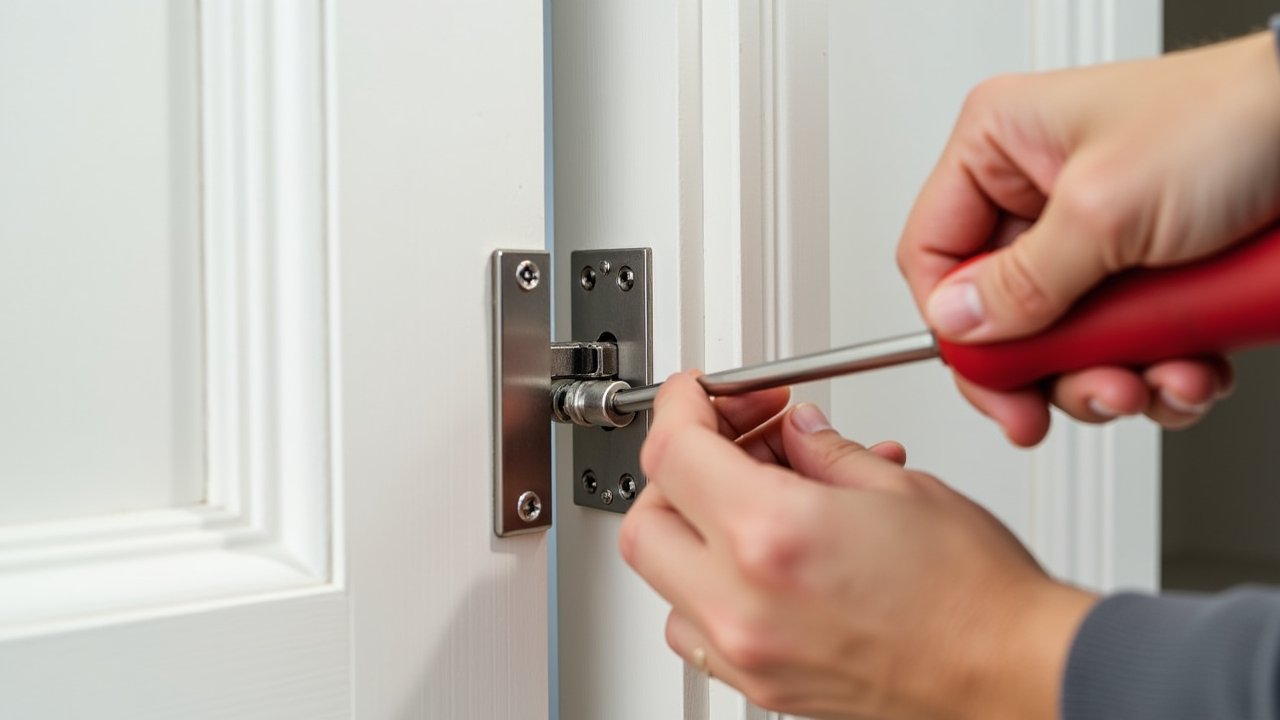
This is always my first move. Open the door and wiggle it a little — if there’s noticeable play, your hinges are likely the problem. Tighten all the screws with a screwdriver. If the screws spin freely and won’t grip, the holes have been stripped.
Here’s a classic trick: stuff a few wooden toothpicks with some wood glue into the hole, let it dry, then re-drive the screw. Works like a charm every single time. You can check out Family Handyman’s guide on door latches for a deeper dive into hinge fixes.
Step 2 — Identify Where the Door is Sticking
Grab a piece of cardboard or even a dollar bill and run it around the door frame while the door is closed. Wherever it gets stuck or bunched up — that’s your problem area. You can also use a pencil to mark the spots where the door rubs against the frame.
Step 3 — Fix a Swollen or Sticking Door
If humidity is the culprit, sometimes just running a dehumidifier in the room helps over time. For a quicker fix, lightly sand or plane the edge of the door where it’s sticking. The This Old House team has a great visual walkthrough for this exact process — really helpful if you’re more of a visual learner like me.
Go slow. Remove a little material, test the door, repeat. It’s way easier to take more off than to put it back on!
Step 4 — Adjust or Reposition the Strike Plate
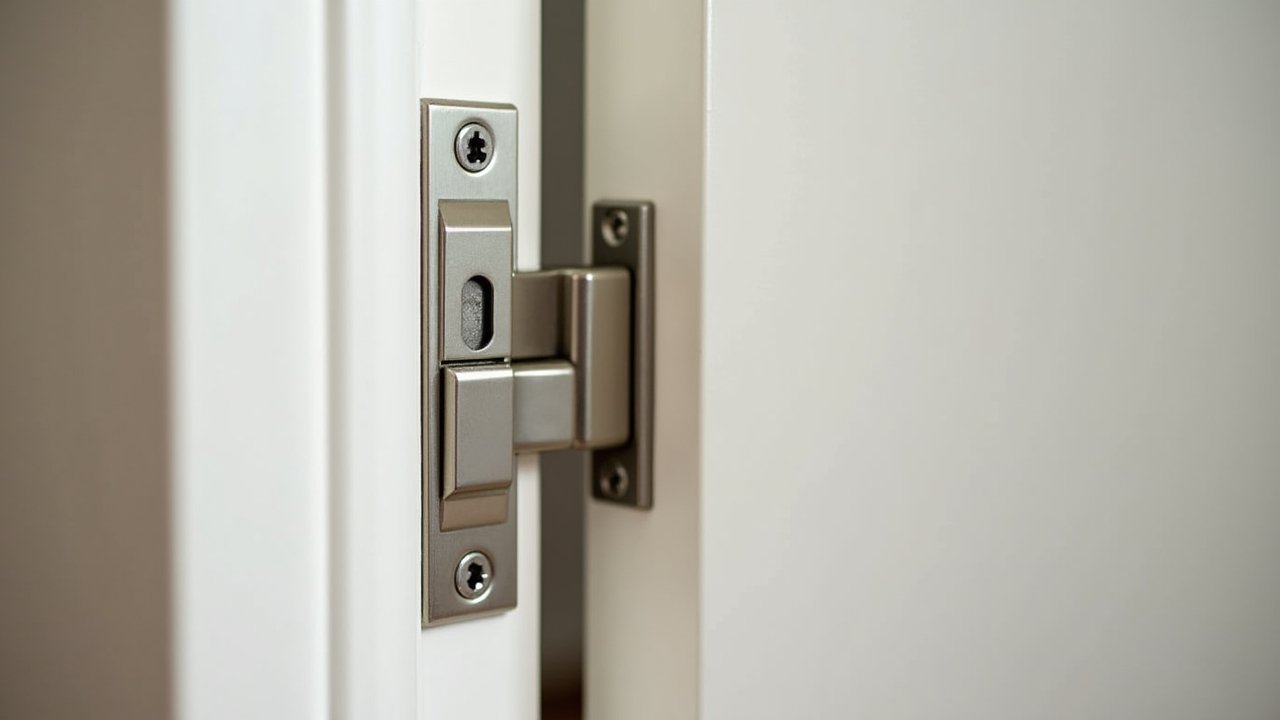
If the latch is close but not quite catching, the strike plate might just need a small adjustment. Loosen the screws, shift the plate slightly up or down, and re-tighten. If the gap is bigger, you may need to chisel out a new mortise for the plate’s new position. It sounds scarier than it is, I promise.
A Quick Word on Door Frame Issues
Sometimes, no matter what you do to the door itself, the real problem is a warped or settled door frame. This is more common in older homes, and honestly, it can be a bigger project. If you suspect the frame is the issue, it might be worth calling in a professional — especially if there are signs of foundation movement like cracks in the walls nearby. Safety first, always.
Your Door Will Close Again — Here’s the Takeaway
A door that won’t close is annoying, but it’s almost always fixable without breaking the bank. Start simple — check your hinges, look for swelling, and inspect that strike plate. Most of the time, the fix is quicker than you’d expect. And if your situation is a little more unique, don’t be afraid to adapt these tips to your specific door and frame setup.
Advertisements
Just remember: if something feels structurally off or unsafe, don’t push through it alone. There’s no shame in getting a second opinion from a pro.
Loved this fix? There’s a whole lot more where that came from! Head over to Nook Method’s blog for more practical home repair tips, DIY guides, and tricks that make homeownership a little less overwhelming — one fix at a time!