Advertisements
The Cash Envelope Budget System: How Stuffing Money in Envelopes Saved My Finances
Here’s a stat that honestly blew my mind — according to a Bankrate survey, nearly 56% of Americans can’t cover an unexpected $1,000 expense with savings. I was one of those people about three years ago. Then I stumbled onto the cash envelope budget system, and I’m not gonna lie, it completely changed the way I handle money!
If you’ve ever felt like your paycheck just evaporates the second it hits your bank account, stick with me. This old-school budgeting method might sound a little weird at first, but it works. And I’ve got the receipts — literally.
What Exactly Is the Cash Envelope System?
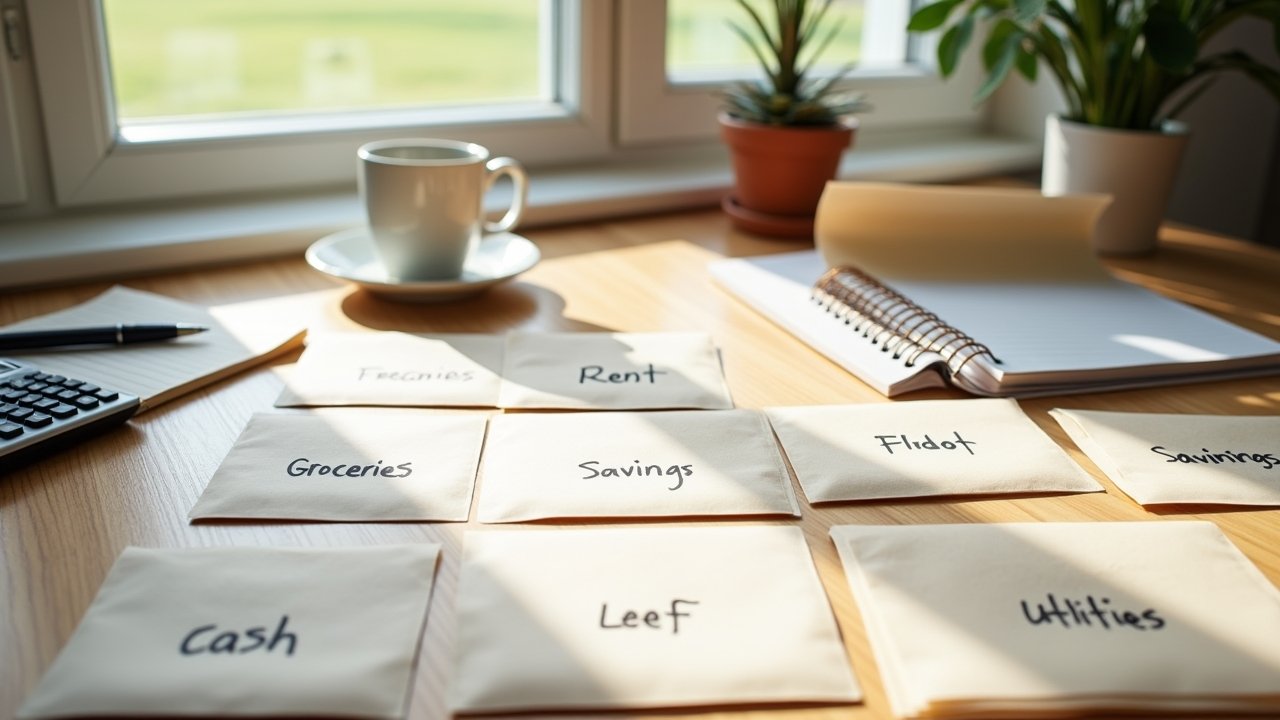
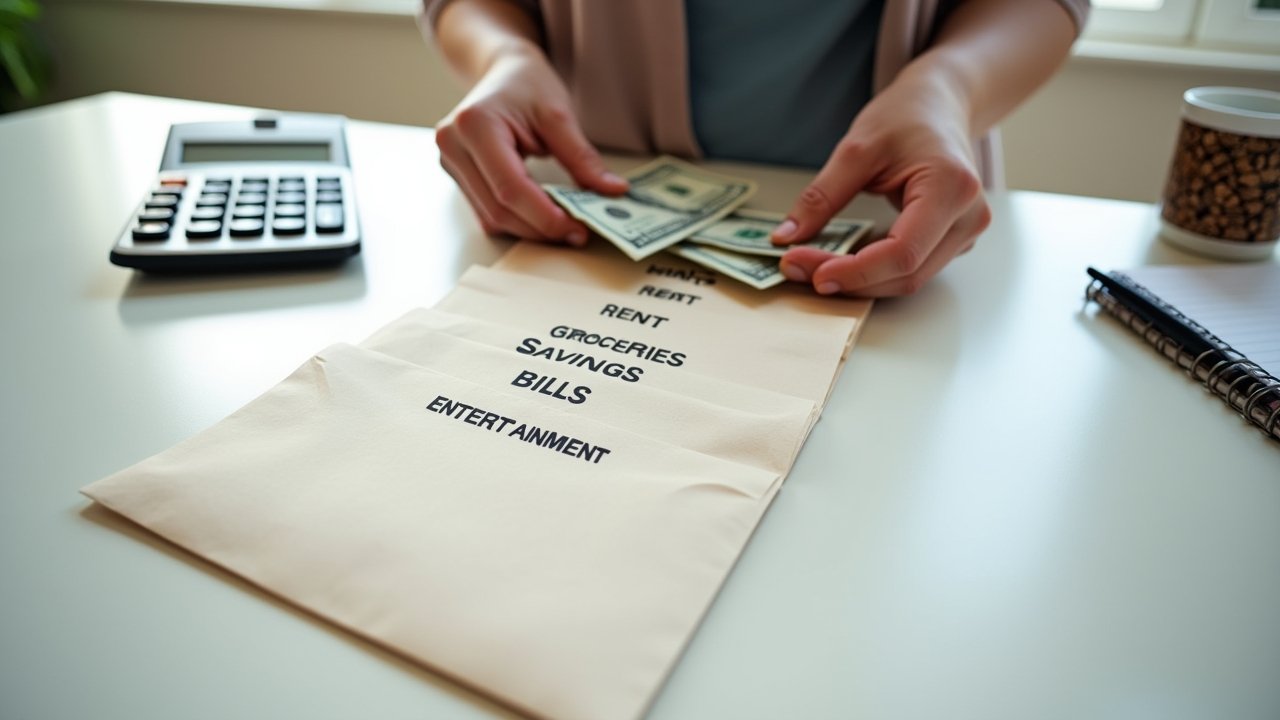
The cash envelope budget system is pretty straightforward. You take your monthly income, divide it into spending categories, and put actual physical cash into labeled envelopes for each category. When the envelope is empty, you stop spending in that category. Period.
This method was popularized by Dave Ramsey, and it’s been around for decades. The beauty of it is that you can physically see your money disappearing, which hits different than watching numbers change on a screen. Trust me on that one.
How I Set Up My Envelopes (And the Mistakes I Made)
When I first started, I went way overboard. I had like 15 envelopes for every little thing — a separate one for coffee, one for parking meters, one for “random Target runs.” It was a mess. I learned pretty quickly that keeping it between 5 and 8 categories is the sweet spot.
Here are the categories that actually worked for me:
- Groceries
- Gas and transportation
- Dining out and entertainment
- Personal spending (clothes, haircuts, etc.)
- Household supplies
- Miscellaneous and fun money
My biggest mistake early on? I didn’t budget for irregular expenses like birthday gifts or car maintenance. So I’d end up raiding my groceries envelope to buy my nephew a birthday present, and then we’d be eating ramen for the last week of the month. Not ideal.
Why Physical Cash Works Better Than Apps
Look, I love technology as much as the next person. I’ve tried Mint, YNAB, and probably a dozen other budgeting apps. But something about handing over physical bills makes spending feel real in a way that tapping a card just doesn’t.
There’s actually research backing this up. A study from MIT found that people are willing to spend up to twice as much when using credit cards compared to cash. That statistic was a gut punch for me because I realized how mindlessly I’d been swiping my debit card for years.
The envelope system creates what I call a “spending friction.” You physically feel the money leaving your hands. It’s honestly a little painful sometimes, and that’s kind of the point.
Tips That Made the System Actually Stick
After three years of using this method, I’ve picked up some tricks that really help. First, do your cash withdrawal on the same day every month — make it a ritual. I do mine on payday, and it takes about 20 minutes to sort everything out.
Second, get yourself some decent envelopes or a cash envelope wallet. I used regular paper envelopes at first and they literally fell apart in my purse within a week. There are some great reusable ones on Amazon that have lasted me forever.
Advertisements
Third, and this is important — give yourself grace. Some months you will mess up. I once accidentally left my grocery envelope at a restaurant and had to scramble. Life happens, you adjust, and you keep going.
A Quick Word About Fixed Bills
One thing that confused me at first was whether I should use cash for everything. Short answer: no. Your rent, utilities, insurance — those fixed monthly expenses should still be paid digitally or by check. The envelope system works best for variable spending categories where you tend to overspend.
Your Money, Your Envelopes, Your Rules
The cash envelope budget system isn’t perfect and it won’t work for everyone exactly the same way. But if you’re tired of wondering where your money went every month, this is honestly one of the simplest methods to try. Customize the categories to fit your life, start with just a few envelopes, and see how it feels after one month.
Remember, the best budget is the one you’ll actually stick with. If you’re looking for more practical money management tips and lifestyle strategies, head over to the Nook Method blog — we’ve got plenty of posts to help you build habits that actually last!