
How to Replace a Light Switch (Without Burning Your House Down)
Advertisements
Here’s a fun little stat for you — the average homeowner will replace a light switch at least three or four times during their life. And yet, most of us stare at that old, crackling switch on the wall for YEARS before actually doing something about it! I was definitely guilty of this.
I remember the first time I tried to replace a light switch in my kitchen. I was maybe 28, feeling all confident because I’d watched a YouTube video. Spoiler alert: I forgot to turn off the breaker and got a nice little zap that made me rethink my entire life. So yeah, let me save you from that experience.
Replacing a light switch is honestly one of the easiest electrical DIY projects you can tackle. But “easy” doesn’t mean you get to skip steps. Let’s walk through this together.
What You’ll Need Before You Start
Before you even think about touching that wall plate, gather your tools. Nothing’s worse than being mid-project and realizing you gotta run to Home Depot. Trust me, I’ve done that awkward drive with wires hanging out of my wall more than once.
Here’s your basic supply list:
- A flathead and Phillips screwdriver
- A voltage tester (non-negotiable, seriously)
- A new light switch — single-pole for most rooms
- Wire strippers, just in case
- Electrical tape
If you’re not sure what type of switch you need, Home Depot’s light switch section is actually really helpful for figuring that out. A standard single-pole switch controls a light from one location, while a three-way switch works from two spots, like at the top and bottom of stairs.
Step One: Turn Off the Power (Please)
I cannot stress this enough. Go to your electrical panel and flip the breaker that controls the circuit you’re working on. Then — and this is the part I skipped that first time — use a non-contact voltage tester to make sure the power is actually off.
Sometimes breakers are mislabeled. It happens more often than you’d think, especially in older homes. Just hold the tester near the switch and if it lights up or beeps, try another breaker.
Removing the Old Switch
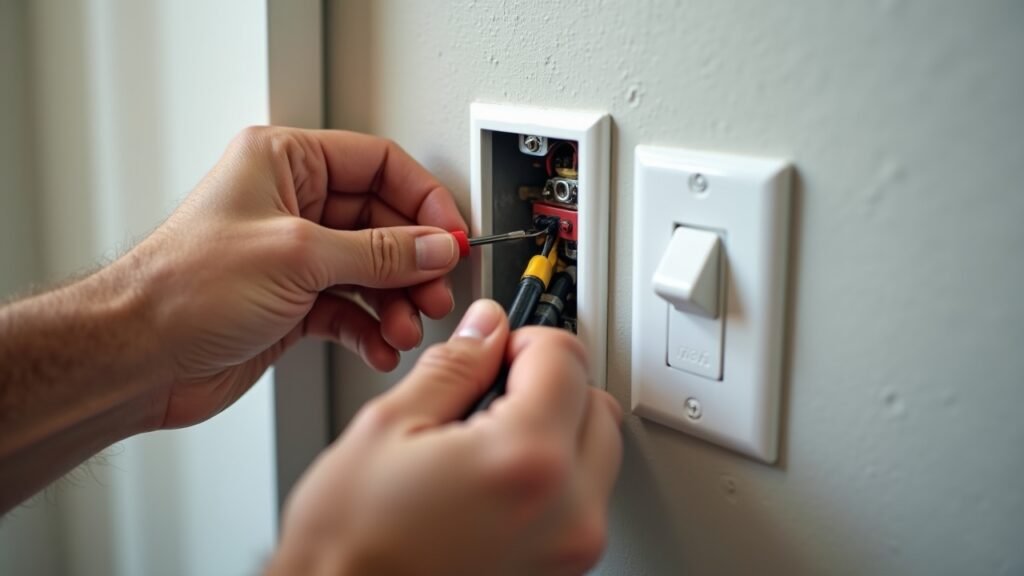
Okay, power’s confirmed off. Now unscrew that wall plate cover. Then remove the two screws holding the switch to the electrical box and gently pull the switch out from the wall.
You’ll see wires connected to the side of the switch with screws — usually a black (hot) wire, a white (neutral) wire, and a bare copper ground wire. Take a quick photo with your phone before disconnecting anything. Seriously, future you will be so grateful for that photo.
Loosen the terminal screws and unhook the wires. If the wires were pushed into the back of the switch instead of wrapped around screws (that’s called backstabbing, and yeah it’s as unreliable as it sounds), you might need to press a small release slot or just cut the wires and strip fresh ends.
Installing the New Light Switch
This is where it gets satisfying. Connect your ground wire first — wrap it clockwise around the green screw on the new switch. Then attach the hot wire to one brass terminal and the other wire to the remaining terminal.
Make sure the wires are hooked clockwise around the screws so they tighten as you screw them down. I learned this the hard way when a loose connection caused my hallway light to flicker for weeks. Drove me absolutely nuts before I figured it out.
Advertisements
Carefully tuck the wires back into the electrical box, screw the switch in place, and snap on the wall plate. Moment of truth — flip that breaker back on and test it!
A Quick Note on Upgrading
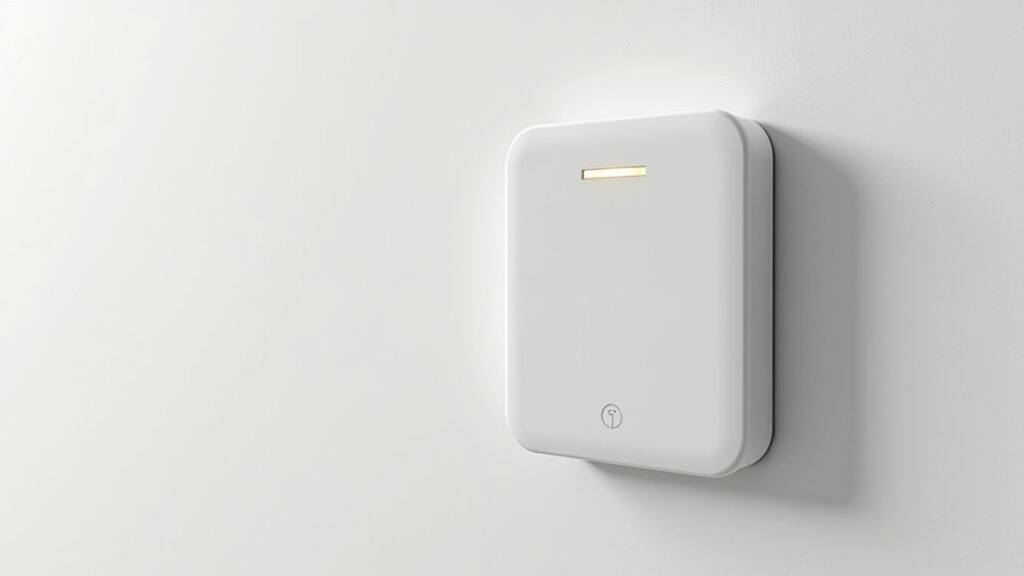
While you’re at it, consider upgrading to a dimmer switch or even a smart switch. The installation process is almost identical, though smart switches sometimes need a neutral wire that older homes might not have in the switch box. Just something to keep in mind.
You Got This — Now Keep Going
Replacing a light switch is one of those small wins that builds your confidence for bigger projects. Just always respect electricity, double-check that power is off, and don’t rush. Every home is a little different, so adapt these steps to your specific situation.
If you enjoyed this walkthrough, we’ve got plenty more practical guides waiting for you over at Nook Method. Go check ’em out and keep leveling up your home!